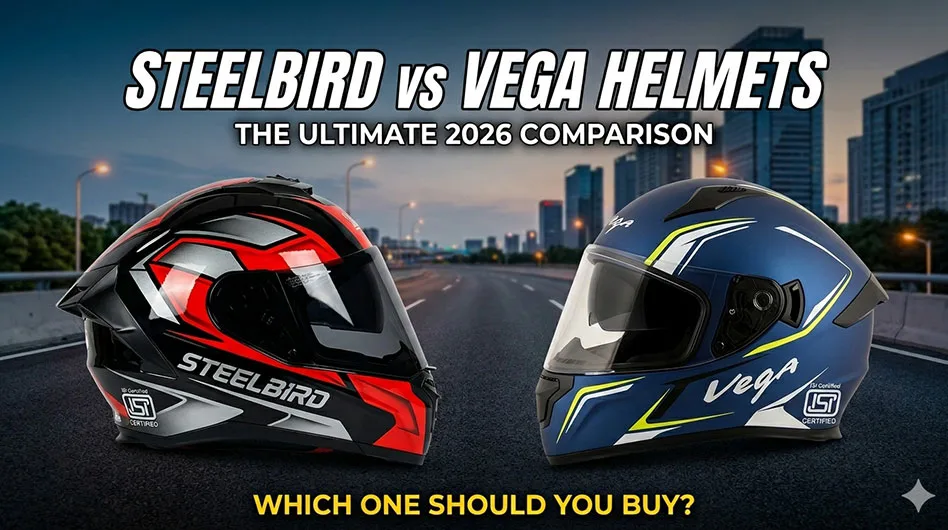
Choosing a helmet in India used to be simple—you just bought whatever was available at the local “helmet waale bhaiya.” But in 2026, with stricter ISI safety norms and high-speed highways becoming the norm, your choice matters more than ever. Whether you are a daily commuter navigating chaotic city traffic or a weekend tourer hitting the open road, the debate always boils down to two names: Steelbird vs Vega.
Both brands have dominated the Indian market for decades, offering budget-friendly yet stylish options. But which one actually protects your “nariyal” better? In this detailed Steelbird vs Vega helmet showdown, we’ll break down the build quality, comfort, and value for money to see which brand deserves a spot on your head.
Why You Can Trust Pixel & Pistons
At Pixel & Pistons, we don’t just look at glossy brochures. We test helmets for wind noise at 80 kmph, check the “itch-factor” of the inner padding after a sweaty 1-hour commute, and verify ISI certifications via the BIS Care app. Our goal is simple: to keep you safe without breaking the bank.
About the Brands
Steelbird: The Style King
Steelbird is perhaps the most recognized helmet brand in India. Known for their “Air” series and the high-end “Ignyte” range, they focus heavily on aesthetics and ventilation. If you want a helmet that looks like it cost 5 times its actual price, Steelbird is usually the go-to.
Vega: The Budget Workhorse
Vega has built its reputation on reliability and affordability. Established in 1994, they have one of the largest distribution networks in the country. They are often the first choice for riders looking for a solid, lightweight helmet under ₹2000 that just works.
Quick Comparison: Steelbird vs Vega (2026 Edition)
| Feature | Steelbird Helmets | Vega Helmets |
| Price Range | ₹1,000 – ₹10,000+ | ₹900 – ₹6,000 |
| Build Quality | High-Impact ABS / Polycarbonate | High-Impact ABS Shell |
| Safety Certification | ISI (Standard), ECE/DOT (Select models) | ISI (Standard), DOT (Bolt/Axor series) |
| Ventilation | Superior (Multi-port systems) | Good (Focus on exhaust vents) |
| Best For | Style & High-speed stability | Daily commuting & Lightweight feel |
| Average Weight | 1300g – 1600g | 1100g – 1400g |
Note: Prices in 2026 have seen a slight bump due to new safety material costs. [Check latest price on Amazon]
Steelbird vs Vega Helmet – Detailed Comparison
1. Build Quality & Safety
Both brands use High-Impact ABS material for their shells. However, Steelbird often experiments with multi-layer EPS (thermocol) for better shock absorption.
- Steelbird: Their shells feel slightly thicker and more robust, especially in the SBA (Steelbird Air) series.
- Vega: Vega helmets are famous for being lightweight. While this is great for neck comfort, some budget models feel “plasticky” compared to Steelbird.
- Verdict: Both are ISI certified helmets in India, but Steelbird’s higher-end models (like the Ignyte series) often meet international DOT and ECE standards.
2. Comfort & Fit
In the Indian heat, comfort is non-negotiable.
- Steelbird: Uses “neck protectors” and multi-layered padding. The fit is usually snug, which is great for safety but might feel tight for riders with broader faces.
- Vega: Vega’s interior padding is generally softer and more “forgiving.” The Vega Cliff and Crux series are legendary for their easy-wear feel during short city bursts.
3. Design & Looks
This is where Steelbird takes the lead. Their “Italian Design” influence is visible in models like the SBA-2. They offer matte finishes, neon graphics, and aggressive spoilers that appeal to the younger “Z-generation” riders. Vega is catching up with the Bolt series, which features vibrant, superhero-inspired graphics.
4. Visor & Visibility
- Steelbird: Known for “Night Vision” visors and gold-tinted options that look amazing. Their visors are usually scratch-resistant and offer a wider field of view.
- Vega: Focuses on practical visors. Most come with an easy-remove mechanism (Quick Release), making it simple to switch from clear to smoke visors.
Best Steelbird Helmets (Top Picks for 2026)
1. Steelbird SBA-2 (The Style Icon)
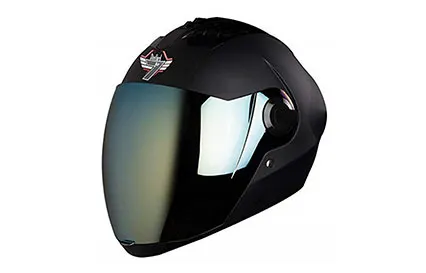
The SBA-2 is perhaps the most “Instagrammable” helmet in India. Its long visor and aggressive chin guard make it a fan favorite.
- Features: Multi-layer EPS, high-impact ABS, air-mesh fabric interiors.
- Pros: Incredible looks, great ventilation, multiple color options.
- Cons: Wind noise can be high above 70 kmph.
- Best For: Riders who want a premium look on a budget.
- [Buy now at best deal on Amazon]
2. Steelbird SA-2 7Wings (The Performance Pick)
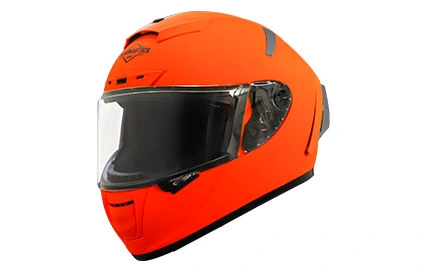
The SA-2 is built for comfort. It features a “breathable” interior padding system designed specifically for the humid Indian climate. If you do occasional highway runs, the 7Wings series offers better stability.
- Features: Aerodynamic spoiler, breathable padding, double-ventilation.
- Pros: Very stable at higher speeds, comfortable for long hours.
- Cons: Slightly heavier than Vega equivalents.
- Best For: Weekend tourers and highway commuters.
Best Vega Helmets (Top Picks for 2026)
1. Vega Bolt (The Modern Standard)
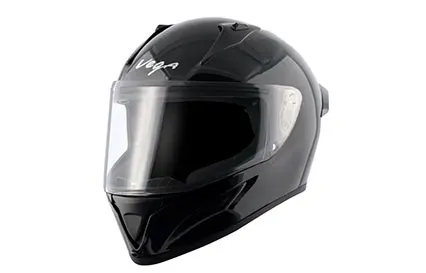
The Bolt series changed the game for Vega, bringing DOT-level safety to a very affordable price point.
- Features: DOT & ISI certified, removable/washable liners, metallic quick-release buckle.
- Pros: Excellent safety-to-price ratio, lightweight, cool graphics.
- Cons: Fitting can be slightly inconsistent; try before you buy.
- Best For: Safety-conscious budget buyers.
2. Vega Cliff (The Commuter’s Friend)
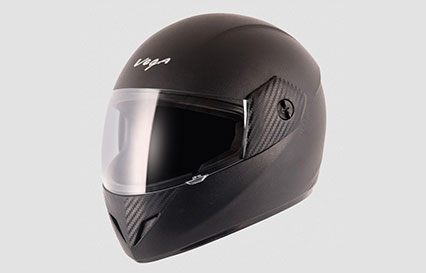
For those who just want a light helmet for grocery runs or office commutes, the Cliff is the undisputed king.
- Features: Compact design, scratch-resistant visor, under-seat storage friendly.
- Pros: Very cheap, fits in most scooter boot spaces, extremely light.
- Cons: Basic protection; not recommended for high-speed riding.
- Best For: Scooter owners and city commuters.
Which One Should You Choose?
- For Budget Users: If you want the best helmet under 2000 India, the Vega Cliff or Steelbird SBA-1 are your best bets.
- For Style: Go for Steelbird. Their SBA series is unmatched in the budget segment for “swag.”
- For Long Rides: Look at Steelbird Ignyte or the Vega Bolt. These offer better aerodynamics and reduced wind noise.
- For Daily City Commuting: Vega wins here. Their helmets are generally lighter, meaning less neck fatigue in bumper-to-bumper traffic.
FAQs
There is no single winner. Steelbird is better for style and ventilation, while Vega is often better for lightweight comfort and sheer value for money.
Yes. All genuine Steelbird helmets sold in India are ISI certified. Their higher-end series also meet ECE (European) or DOT (US) standards.
Absolutely. Vega is one of the oldest ISI-certified brands in India. Always look for the IS:4151 mark on the back of the helmet.
Currently, the Steelbird SBA-2 and the Vega Bolt are the top contenders for the best helmet under 2000 in 2026.
You should replace your helmet every 3–5 years or immediately after any accident, even if there is no visible damage.
Final Verdict: Steelbird vs Vega
In the Steelbird vs Vega helmet battle of 2026, the “winner” depends on your lifestyle.
If you are a young rider who wants a sharp, aggressive-looking helmet that stands out at a red light, Steelbird is your brand. Their ventilation technology (especially in the “Air” series) is genuinely superior for the hot Indian summer.
However, if you are a practical rider looking for a lightweight, no-nonsense helmet that offers great safety (DOT ratings) at an unbeatable price, Vega (especially the Bolt series) takes the trophy.
Pro Tip: No matter which brand you choose, ensure the fit is snug. A loose helmet is as good as no helmet.
[Check Price on Amazon for Steelbird & Vega Helmets]
Disclaimer: Prices and availability are subject to change. As an Amazon Associate, Pixel & Pistons earns from qualifying purchases.